What Is Signs Of Lung Cancer - Researchers Recommend Additional PET/CT Scans in Lung ... : Cigarettes are a major cause of lung cancer.. Medical history and physical exam While lung cancer is a form of cancer that starts in the lungs, it can, over time, spread throughout the body. Shortness of breath or becoming easily winded are also possible symptoms of lung cancer. That pain might radiate to other parts of a patient's chest and back, too. It is also seen in a type of cancer known as.
The symptoms of lung cancer in women are sometimes different than in men, largely because both sexes tend to get different types of lung cancer. Signs and symptoms of small cell lung cancer, anemia in people with cancer. international journal of cancer : Like many other types of cancer, lung cancer may also cause systemic symptoms, like loss of appetite or general fatigue. Smoking actively is one of the most common causes of lung cancer. Lung cancer symptoms may include— coughing that gets worse or doesn't go away.
Lung Cancer Symptoms, Causes And Prevention from funender.com As the cancer develops, these symptoms may become more severe or intense. As the cancer develops, these symptoms may become more severe or intense. Dizziness or limbs that become weak or numb are signs of lung cancer that tend to emerge once the illness is in its advanced stages, according to the cancer treatment centers of america. Like many other types of cancer, lung cancer may also cause. If cancer spreads to other parts of the body, then those areas are likely to be affected by ache and discomfort. The presence of these symptoms doesn't definitively mean you have lung cancer, though, as they can also be caused by other conditions. Chronic, hacking, raspy coughing, sometimes with mucus that has blood in it. Some lung cancers can be found by screening, but most lung cancers are found because they are causing problems.
Signs and symptoms of lung cancer typically occur when the disease is advanced.
Signs and symptoms of lung cancer typically occur when the disease is advanced. Chronic, hacking, raspy coughing, sometimes with mucus that has blood in it. The early symptoms of lung cancer may be a slight cough or shortness of breath, depending on which part of the lung is affected, according to the cancer center. Dizziness or limbs that become weak or numb are signs of lung cancer that tend to emerge once the illness is in its advanced stages, according to the cancer treatment centers of america. One of the symptoms of lung cancer is rib cage pain or chest pain that gets worse upon breathing deeply, coughing, or laughing, reports medical news today. Signs and symptoms of lung cancer may include: Signs and symptoms of small cell lung cancer, anemia in people with cancer. international journal of cancer : Six early signs of lung cancer include a new cough that persists for several weeks and goes on worsening, persistent shortness of breath, chest pain, and more. Changes in breathing can occur if lung cancer blocks or narrows an airway, or if fluid from a lung tumor. Signs and symptoms typically appear in the advanced stage of. Profound fatigue is very common in the late stages of lung cancer. Weight loss is the result of. The symptoms of lung cancer in women are sometimes different than in men, largely because both sexes tend to get different types of lung cancer.
Often, for those with lung cancer, the chest pain is caused by the cancer invading between the ribs. Cough that remains unrelieved and gets worse over time hemoptysis (coughing up blood) or reddish spit Six early signs of lung cancer include a new cough that persists for several weeks and goes on worsening, persistent shortness of breath, chest pain, and more. Signs and symptoms typically appear in the advanced stage of. These symptoms do not always indicate lung cancer, but should be reported to a doctor.
Possible Lung Cancer Symptoms You Shouldn't Ignore ... from baptisthealth.net Often, for those with lung cancer, the chest pain is caused by the cancer invading between the ribs. Sometimes fluid in the lungs can make breathing difficult and this could also be a sign of lung cancer. The early symptoms of lung cancer may be a slight cough or shortness of breath, depending on which part of the lung is affected. As the cancer develops, these symptoms may become more severe or intense. Signs and symptoms of lung cancer typically occur when the disease is advanced. See your doctor if you have shortness of breath that concerns you. Cough that remains unrelieved and gets worse over time hemoptysis (coughing up blood) or reddish spit Changes in breathing can occur if lung cancer blocks or narrows an airway, or if fluid from a lung tumor.
Changes in breathing can occur if lung cancer blocks or narrows an airway, or if fluid from a lung tumor.
One of the symptoms of lung cancer is rib cage pain or chest pain that gets worse upon breathing deeply, coughing, or laughing, reports medical news today. Shortness of breath could also be a sign of lung cancer. When signs of the disease start to appear, they can include: Depending on the type of lung cancer developing, early signs of lung cancer might include referred pain (pain perceived in an area of the body other than the lungs, such as the shoulder), chronic cough, breathing issues, and weight loss. Lung cancer usually has no symptoms in its early stages. If the lung cancer is at a later stage, chest and shoulder pain, yellowing skin, and swelling lymph nodes can be symptoms as well. Sometimes fluid in the lungs can make breathing difficult and this could also be a sign of lung cancer. The presence of these symptoms doesn't definitively mean you have lung cancer, though, as they can also be caused by other conditions. As the cancer develops, these symptoms may become more severe or intense. While lung cancer is a form of cancer that starts in the lungs, it can, over time, spread throughout the body. In patients with lung cancer and mesothelioma, weight loss is common at presentation and a frequent cause of patient concern, reports the british journal of cancer. Most people with lung cancer don't have symptoms until the cancer is advanced. 11 surprising signs of lung cancer you need to know people often associate lung cancer with breathing problems like coughing, shortness of breath, or wheezing.
Cancer cachexia, a syndrome including unintentional weight loss and muscle wasting, is very common in the later stages of cancer. It may not show its signs and symptoms in its early stages. Cough that remains unrelieved and gets worse over time hemoptysis (coughing up blood) or reddish spit The presence of these symptoms doesn't definitively mean you have lung cancer, though, as they can also be caused by other conditions. Signs and symptoms of lung cancer typically occur when the disease is advanced.
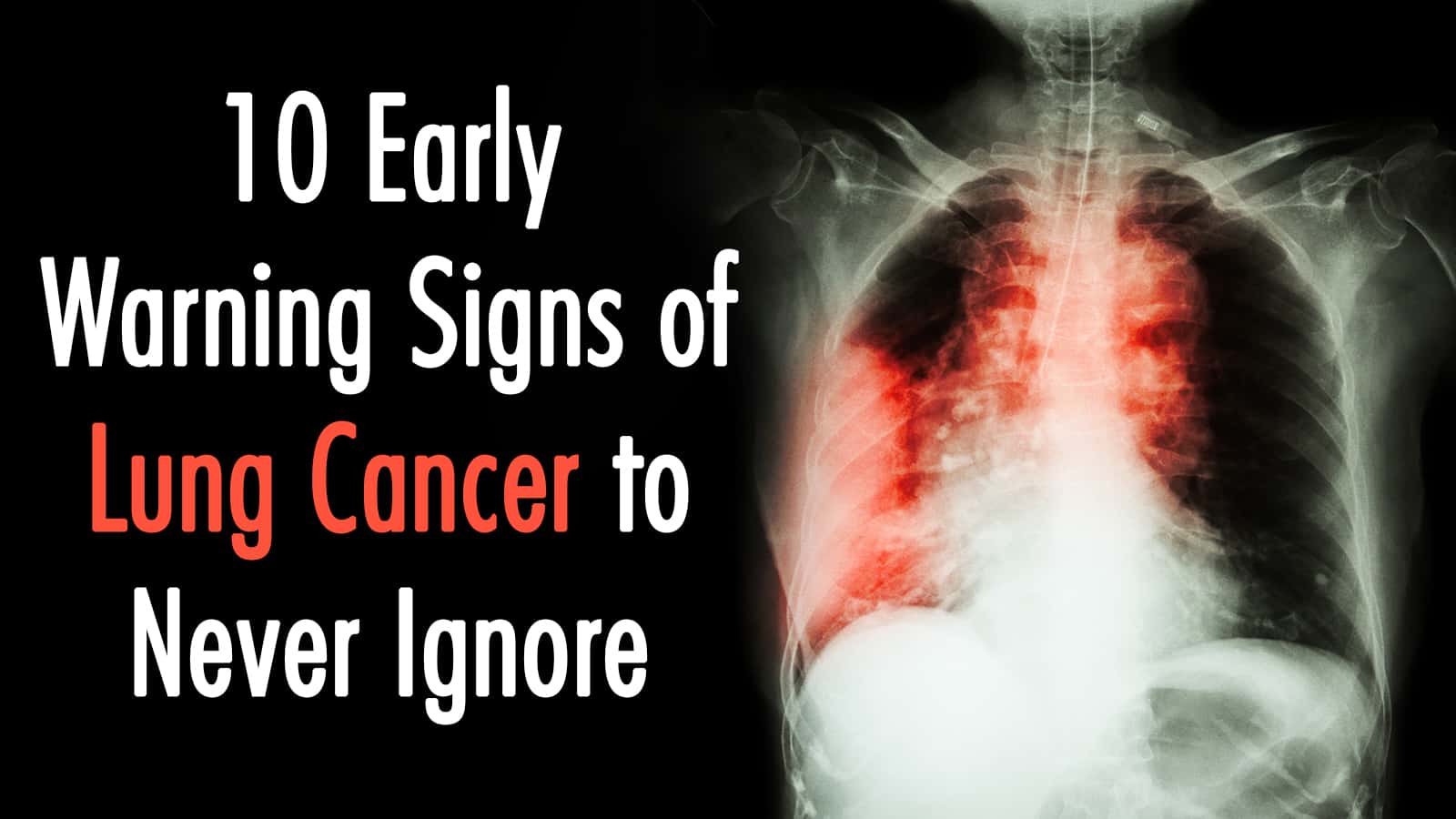
10 Early Warning Signs of Lung Cancer to Never Ignore from cdn.powerofpositivity.com Shortness of breath could also be a sign of lung cancer. As the cancer develops, these symptoms may become more severe or intense. If a lung cancer tumor is blocking a major airway, it could cause shortness of breath. If cancer spreads to other parts of the body, then those areas are likely to be affected by ache and discomfort. Depending on the type of lung cancer developing, early signs of lung cancer might include referred pain (pain perceived in an area of the body other than the lungs, such as the shoulder), chronic cough, breathing issues, and weight loss. Cigarettes are a major cause of lung cancer. Changes in breathing can occur if lung cancer blocks or narrows an airway, or if fluid from a lung tumor. If the lung cancer is at a later stage, chest and shoulder pain, yellowing skin, and swelling lymph nodes can be symptoms as well.
Chronic, hacking, raspy coughing, sometimes with mucus that has blood in it.
Psychiatric disorder as a first manifestation of cancer. It may not show its signs and symptoms in its early stages. The presence of these symptoms doesn't definitively mean you have lung cancer, though, as they can also be caused by other conditions. While lung cancer is a form of cancer that starts in the lungs, it can, over time, spread throughout the body. Shortness of breath or becoming easily winded are also possible symptoms of lung cancer. A new cough that doesn't go away coughing up blood, even a small amount Changes in breathing can occur if lung cancer blocks or narrows an airway, or if fluid from a lung tumor. Signs and symptoms of lung cancer may include: Lung cancer symptoms may include— coughing that gets worse or doesn't go away. Shortness of breath could also be a sign of lung cancer. Often, for those with lung cancer, the chest pain is caused by the cancer invading between the ribs. Similar symptoms, such as experiencing wheezing or hoarseness, can be early signs of lung cancer, as well. Profound fatigue is very common in the late stages of lung cancer.